Summary:
The founder of a group to help raise awareness of the risks of prostate cancer in black men shares her family’s experience after her father became a terminal prostate cancer patient. She notes that black men have double the chances of getting prostate cancer but that few people know about this. Clinical trials are crucial for improving our understanding of the specific risks of cancers and the best treatments in different population groups.
A Caregiver’s Perspective: Prostate Cancer, Black Men & My Father
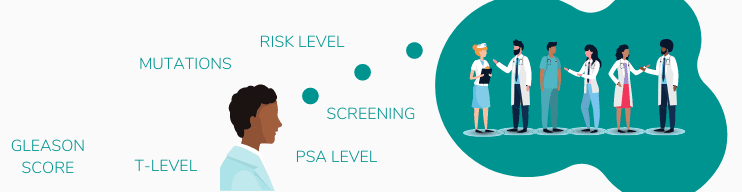
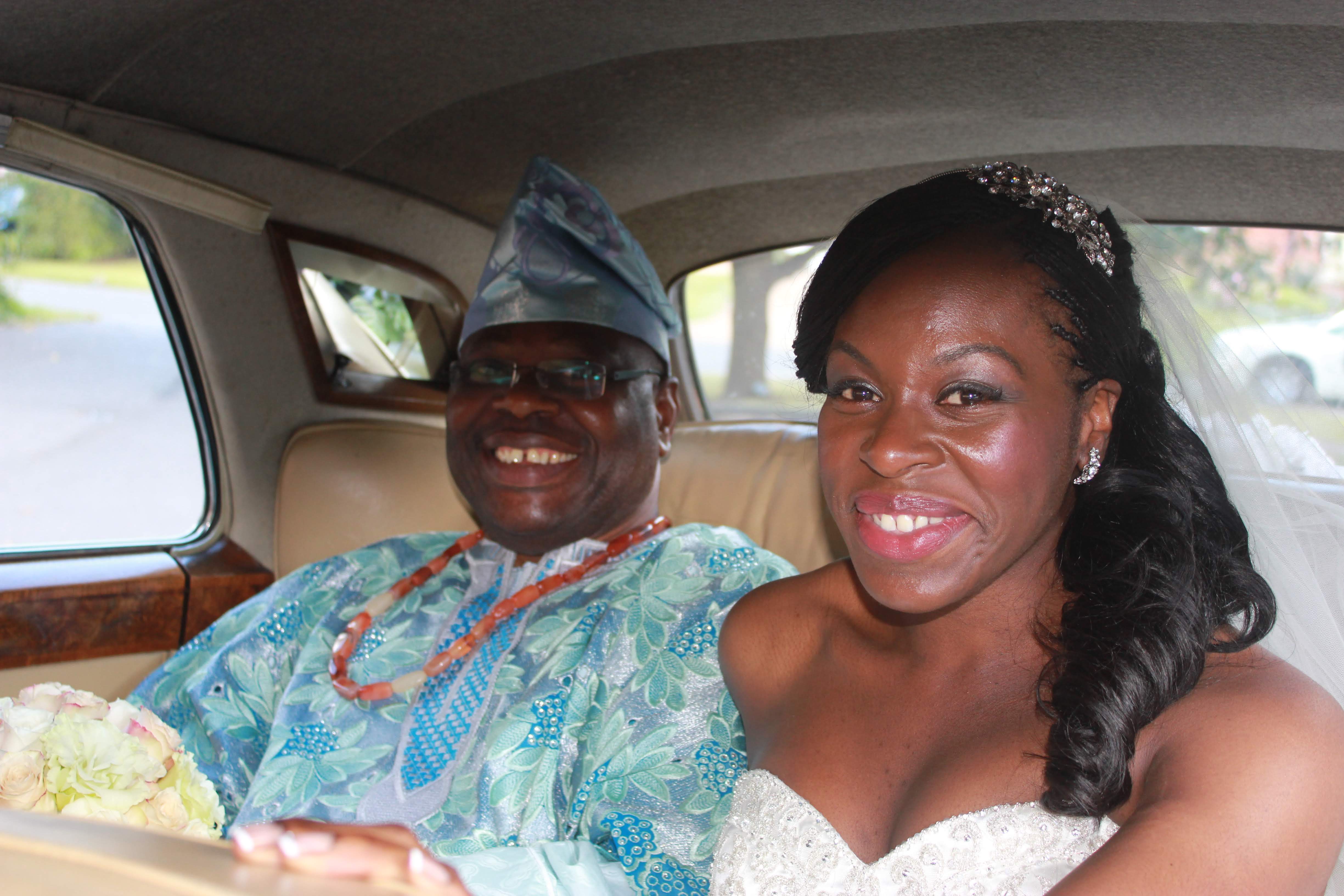
On May 11th, my father died from complications of prostate cancer. He was 69 years old. When he was diagnosed in late 2017, it was already too late and he was informed that the cancer had spread to his lymph nodes, was extremely aggressive (Gleason scored 10), and was incurable. He had been feeling generally unwell since about 2016, but even though he was regularly going to the doctors at that point, he was not sent for a PSA test until late 2017.
He fought bravely to keep the cancer at bay. I am incredibly proud of him. However, due to other complications (proctitis as a result of radiation, developing a fistula, further spreading of the cancer and eventually succumbing to an infection/sepsis during the height of the COVID-19 pandemic), he survived just under 3 years from his diagnosis.
I never really knew much about prostate cancer. Even when I was quite young, I remember hearing about breast cancer and knowing how to check for lumps, but never hearing about prostate cancer. I remember at my office one year, in approximately 2011, deciding that we had to do something to raise money for Movember but even then, not really knowing the symptoms and risks in much detail.
After my Dad’s diagnosis, as we went through our journey, I learned about the statistics, the fact that black men had double the chance (a 1 in 4 chance vs 1 in 8 for non-black men), of getting prostate cancer, just by being black, and the hereditary links (father or brother with prostate cancer or mother or sister with breast cancer, causing chances to double again). I realised there was quite a problem with awareness. I had also recently found out my Dad’s sister had died from breast cancer, again highlighting a strong genetic link and putting my Dad in a high-risk category, as well as myself and my siblings therefore now having a higher chance of having a mutated BRCA gene, one of the key causes of prostate, breast and ovarian cancer. Knowing all of this information and being aware of these risks, could have changed our story completely.
In talking to quite a few of my male friends and family, I realised that there is limited knowledge about the danger posed by cancers such as prostate cancer in the black community. There is a lack of open discussion about cancer and illnesses within our community and my worry is that the problem will continue if there is not a drive for education and awareness, not just targeted at older black men, but the younger generation too. There is information out on the Prostate Cancer UK website and there are other charities like Cancer Black Care that focus on supporting black families that have been affected by cancer but usually this is information that is found after the fact. Outside of that, there didn’t seem to be much else. Additionally, research such as that done by Prostate Cancer UK in 2017 showed that only 51% of GPs in the UK were aware of the heightened risk of black men and almost a third of those doctors were located in regions with large black populations. This was compounded by having found out after my father had died, that he had his first and only PSA test about 10 years ago. His PSA levels were slightly higher than normal, and he should have been tested 3 months later, but this was never done again. If he was getting regularly checked, the outcome might have been different. The fact that my Dad was black, overweight, had a family history of breast cancer and was over 50, should have been more than enough for him to be having regular testing, as guidelines already said by that point all men over 50 should be having their PSA tested. Thankfully, awareness has increased slightly and black men are now encouraged to ask to get tested from aged 45, and a baseline test from 40 if they have a family history of prostate or breast cancer.
I truly believe if I had known previously, just some of what I know now, my Dad might have survived a bit longer or the cancer could have been caught earlier and cured.
Being a relative of someone who has terminal prostate cancer, I found was a painful place to be. It was the feeling of helplessness that was painful. Knowing that if we had known earlier what to be aware of, that the outcome could have been different. We tried to stay positive through my father’s illness, and always hoped that some new treatment or cure would be found. My father had briefly taken part in the STAMPEDE trial, which was actually suggested by his oncologist. I don’t think we would have known about the trial otherwise. We had a great Coordinator who was very knowledgeable and was able to talk us through the process and really was with us every step of the way even though, my father was removed from the trial after he had negative side-effects following his radiation treatment. Even after this, we always hoped there would be something else that might, if not cure him, prolong his life. The journey of his illness was one where we had hope but also had to learn to have to respect for his choices in how he wanted to be treated.
Given the recent announcement that prostate cancer is now the most common cancer for men in the UK, there is slightly more awareness and the media is now starting to talk about this more, but there is very little focus on its effect on the black community. The amount of research into why it affects black people so aggressively is limited but we know enough to know that black men need to be tested earlier than white men as they seem to get it earlier and more aggressively.
More needs to be done in sharing the dangers and highlighting the need for all men, especially black men to get tested. It’s also important for more trials to take place to ensure we really understand how the cancer manifests in different kinds of people. Is it really different in black and non-black people and is the treatment the same or different depending on your genetic make-up? The only way to find this out is through trials and research where there is diverse participation.
Thankfully we are a close family and were able to rely on each other as well as our faith. However, following my father’s death, I was compelled to start an awareness campaign and created Prostate Cancer Black Men so that other people within the black community could be aware of the risks and hopefully catch it in men before it becomes terminal. Knowing that the chances of being cured are in the range of 90% and up, my goal and hope is that I can help some families avoid the pain and loss that we have and are still going through.
It’s also so important that as a black community we talk more about our illnesses and share. Being as healthy as possible through eating well (especially green vegetables and reducing our meat consumption) and exercising regularly are key in reducing the risk. Understanding your family history helps you understand your level of risk as well. Information for black men and prostate cancer can be found on the Prostate Cancer UK website. There is an information pack and also FAQs.
“People sometimes think it’s odd that a woman started Prostate Cancer Black Men“
People sometimes think it’s odd that a woman started Prostate Cancer Black Men, but I feel that we, as women, are in a strong position to help and encourage the men in our lives, whether they are our fathers, brothers, partners, sons or friends, we can provide that push that’s often needed to encourage a trip to the doctor to get tested which could ultimately save their lives.
About the Author:
Ifeoma Nembhardt is an IT Manager and Mum of three young children. She founded Prostate Cancer Black Men following the death of her father, who battled advanced prostate cancer for almost 3 years. as a way to raise awareness of the risks of prostate cancer in black men and to help to reduce the number of men that were finding out too late that they had prostate cancer.