Summary:
Toral Shah, Founder of The Urban Kitchen, and thought leader in nutrition and cancer, guest blogs for Ancora.ai on the links between nutrition, immune health, and cancer. She introduces key concepts around the immune system and the gut microbiome, recommends the Mediterranean diet to promote gut health, and notes the importance of maintaining adequate vitamin D levels. Read more to find out about Toral’s top tips for busy people who want to protect their gut and immune health and prevent cancer. Also don’t miss Toral’s guest blog!
How diet can support the immune system through and beyond cancer
Intro to cancer and the immune system
We all know how important a healthy diet is for our overall health, but research over the last 10 years has established that there is a strong link between a healthy diet and our immune system via our gut microbiota. Our gut bacteria train our immune system to behave appropriately to the environment, including protecting the body from pathogens or abnormal cells and recognising and destroying cancer cells as they develop. Our immune systems functions as quality control to ensure that these cells don’t grow out of control. Sometimes, the cancer cells evade our immune systems and grow to form tumours. Killer T cells patrol our bodies to detect and destroy genetically damaged cells and small tumours before they grow and affect our health. Tumours can weaken the immune system which allows the tumour to grow and makes you more prone to infections.
Intro to the gut microbiome
Our gut is populated with the bacteria from our mother’s body, mostly Bifidobacteria, when we are born. This is further populated through breast-feeding. Our gut health is dependent on what we eat and how we are feeding our microbiome. The intestinal flora changes as we grow older and develops as we are exposed to more bacteria via contact with different humans, animals and foods.
Our gut microbiome is a huge ecosystem which is almost as diverse and dense as the Amazon rainforest. We have a huge influence on this ecosystem which is influenced by our actions and we need to look after this to maintain balance. This balance maintains biodiversity of the different organisms to create health and wellbeing. We need to feed it with foods that support a healthy gut microbiome so that it can complete the myriad of functions to support our health and well-being. Diet, the environment, stress and drugs such as antibiotics can change this balance and reduce the diversity of organisms, and this can make us ill!
Our relationship with the microbiome is symbiotic – our bodies house the bacteria and provide food whilst the bacteria participate in our health. In this way, our diet affects the types of bacteria we nurture within our gut and in turn, this affects our immune system in several ways:
- Produce short-chain fatty acids: our gut flora ferments dietary fibre from vegetables, fruits and wholegrains to produce short chain fatty acids (SCFA). SCFA are an important energy source for the cells of our colon along with regulating the immune process, healing, reducing inflammation and protecting us from cancer and other diseases.
- Protect against pathogens: as the first line of defence, intestinal bacteria work by stimulating the immune response to protect against pathogenic bacteria. In addition, Lactobacilli and Bifdiobacteria can transform substances rich in fibre into lactic acid when there is no oxygen. Lactic acid acidifies our intestine and slows down proliferation of pathogenic bacteria.
- Train our immune system– intestinal bacteria can selectively suppress the immune response so that we can tolerate some substances in our environment, which is important for preventing autoimmune disease and allergies. The bacterial genes can also regulate local and systemic inflammation.
The Mediterranean diet and gut health
Eating a healthy diet and exercising can help promote the growth of the beneficial bacteria which fight potentially pathogenic bacteria and protect our immune system.
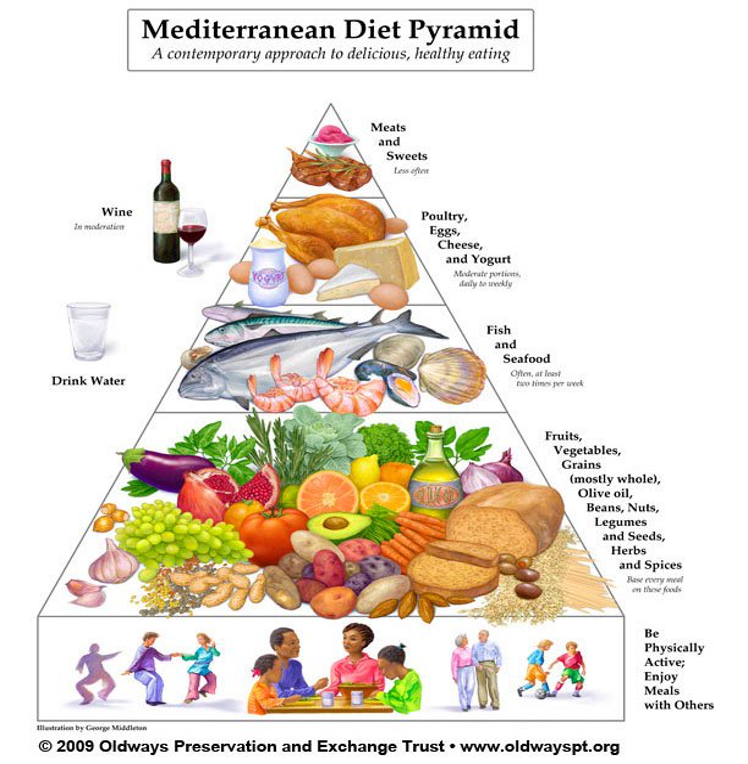
The average Western diet is high in sugar and fat and not very diverse. Alcohol and sugar can both impair the immune system. Reducing both alcohol and sugar will lead to enhancing immune function and overall health. The Mediterranean diet has been shown to reduce the risk of cancer and support optimal immune health.
A diverse diet early in life with a wide range of fruits, vegetables, wholegrains, nuts, herbs, spices and seeds will create a balanced gut microflora which influences the balance of our immune system. A more diverse microflora is more resilient against attack from pathogens and environmental stress as the immune system response is mediated appropriately. Eating a diet rich in colourful vegetables and fruits will ensure that you are getting a sufficient range of antioxidants which can protect against free radical damage and maintain the structural integrity of membranes, protect against DNA damage and cancer, and support optimal immune health.
The Mediterranean diet has been shown to promote the growth of the beneficial bacteria and involves eating:
- a wide range of fruit and vegetables
- Whole grains
- Legumes, peas and beans
- Herbs and spices
- Nuts and seeds
- fermented foods and gut promoting foods
- Sources of protein
Vitamin D and the immune system
Vitamin D is not just a vitamin, but it also is a steroid hormone which regulates a huge proportion of our biological functions, including our immune system. Vitamin D acts as an anti-inflammatory. It activates our immune system as our primary defence system and enhances the function of T cells and other immune system cells. Vitamin D deficiency increases our susceptibility to infection and risk of disease. In the winter, in the UK, Canada, Northern USA and Europe, we don’t make vitamin D from the sunlight as the UVB radiation isn’t strong enough, so we need to supplement with vitamin D rich foods such as fish, egg yolks and supplements.
Toral’s top tips: What practical things can we do to ensure that we support our gut health and immune health?
- wholegrains such as rice, barley, spelt, freekah, oats and couscous
- Buy tinned and dry beans and legumes, such as chickpeas, or pouches of ready cooked grains and lentils
- Batch cook meals that you can reheat
- Make up jars of dressings and sauces that last for 2 – 3 weeks in the fridge.
- Prevent food waste by cooking up vegetables on the turn into soups
- Buy a couple of good vegetable-focused cookbooks to help eat seasonally – I like Yotam Ottolenghi’s Simple, Donna Hay’s Life in Balance, Anna Jones’ A Modern way to cook/ eat and Melissa Helmsley’s Eat Green
- Supplement with vitamin D (at least 10 micrograms a day) and eat vitamin D rich food such as oily fish, eggs and mushrooms
- Exercise regularly for at least 150 minutes a week
- Reduce stress by yoga, meditation, breathing or any way that helps you
About the author:
Toral Shah is a Nutritional Scientist (MSc Nutr Med), Functional Medicine Practitioner, Food and Health writer and Consultant, as well as the Founder of The Urban Kitchen. She originally went to medical school with a view to becoming an oncologist but when her mother was diagnosed with breast cancer, she realised that this was not the career for her. After completing her BSc in Cell Biology, specialising in cancer, she worked in research, winning a presitigious Royal Society internship where she worked on SRC oncogenes. Toral then went on to do an MSc in Nutritional Medicine at University of Surrey and became a functional medicine practitioner working with nutrigenomics. She is currently putting together a PhD proposal looking at the impact of stress, diet and lifestyle on oestrogen dependent breast cancer.
Toral specialises in optimising health and disease prevention through improving food, diet and lifestyle. She uses evidence based science knowledge along with lifestyle medicine and cooking skills to help support others to lead a healthier life by eating delicious and nutritious food. Toral was diagnosed with breast cancer at the age of 29. It was just six years after she supported her mum through the disease. In 2018, she was diagnosed with breast cancer again. She is particularly passionate about cancer prevention and prevention of recurrence and completed her MSc thesis researching the foods that prevent recurrence of breast cancer. As a breast cancer patient and survivor, she understand how patients might want to change their diet and lifestyle post diagnosis.
She also works with a large portfolio of brands, press and individuals within the food and wellness industry from hosting supper clubs, speaking at large health and corporate wellness events, festivals and private events, developing recipes and creating nutritional content for brands sharing her knowledge of nutrition and science. She is currently the process of writing her first book which explores the latest science behind foods that optimise health and illustrates them with some of her favourite recipes.
Toral is also passionate about combatting the lack of diversity in healthcare and ensuring both doctors and patients from BAME groups are equally represented within the NHS and healthcare systems. Currently, BAME people have poorer health outcomes, even when you take into account socioeconomic factors, and are often diagnosed with cancer later and at later stages. Toral is working with several charities and organisations to ensure that they are creating more inclusive health promotion campaigns with more diversity and inclusivity so that all communities know that cancer can affect them.