Q and A
Ancora.ai: Gogs, it’s great to be able to connect with you today, can you tell us a bit about what you’re working on currently in the prostate cancer community?
Gogs: I help to connect cancer support groups across provinces in Canada and also try to help stage 4 patients. When I was diagnosed with prostate cancer, it was ‘learn as you go’ and you just want as much accurate information as possible. I always tell men they should speak to multiple doctors and take time to do the research, which is quite a bit of work, before rushing to a decision.
Ancora.ai: It can be really daunting. What kind of advice do you give patients who are struggling with that process?
Gogs: When I was diagnosed, I didn’t want to talk about it. I didn’t even want my wife to know about it. I really did the research on my own. Most guys I meet are kinda private as well, they do internet research, but it’s such a minefield. I advise them to join a support group even before making a treatment decision. Asking for help can be difficult for guys.
Ancora.ai: What kinds of decisions are most people grappling with once they receive a diagnosis of prostate cancer?
Gogs: Men typically go for surgery or radiation. Now there is more discussion and research on active surveillance, which can also be an option for some people. I also want men to know that there are many different treatment options to consider.
Ancora.ai: What about clinical trials? Is that something you were told about or that you hear about now from others dealing with treatment decision making?
Gogs: Trials should be considered as an option, but men typically go for surgery or radiation without considering them. I don’t think the general population is aware of the option. I wasn’t aware of trials until after my surgery was done and I was in recovery and speaking with other people in a support group. I had spoken to multiple doctors, not just my urologist, but my surgeon and also a radiologist. They never once mentioned a clinical trial.
Ancora.ai: Is the perception somewhat that they aren’t an option for most people? That they’re only a last resort or for very sick patients?
Gogs: Yes, I think so. People aren’t aware they can be considered from the beginning along with standard care and not just as a last resort. The world is changing and there are all these new trials and this is being overlooked.
Ancora.ai: Yes that’s true and something we hear a lot. There’s this misperception that trials aren’t for everyone and actually by jumping into treatment without looking at trials you may actually make yourself ineligible for some really good ones. We’ve tried as we built our technology to make sure that we take some of the burden off patients, so we guide users through a questionnaire to find relevant trials rather than making them read through lots of eligibility criteria and information on their own. What do you think of this approach?
Gogs: Answering an online questionnaire about clinic trails is really light years ahead of manually reading through pages and pages of eligibility criteria. It’s brilliant for patients because you know you won’t miss anything. I think this tool can help bring trials into the mainstream along with the two usual options; surgery and radiation.
Ancora.ai: What other resources do you think can really help support people?
Gogs: Time to research the decision, especially around quality of life. The first thing that crossed my mind when I got the diagnosis was that I was going to die. I was most likely in shock just from hearing the word cancer. Your first thought is to deal with the cancer and quality of life is secondary and it just shouldn’t be. Clinical trials, for example, could make a difference to a lot of people because there are a lot of wonderful drugs in development and people aren’t aware of them.
Ancora.ai: Thank you so much, Gogs, for taking the time to delve into this with us and for your feedback. We’re so happy that we’ve been able to learn more about your experience and others will certainly benefit from this advice. It’s hard to take time to explore all the options right after a terrifying diagnosis but I hope that your insights will help patients to take that pause if needed so they can make a fully informed decision.
Gogs: Thank you, I’m very excited about this, knowing others may benefit is extremely heartwarming.
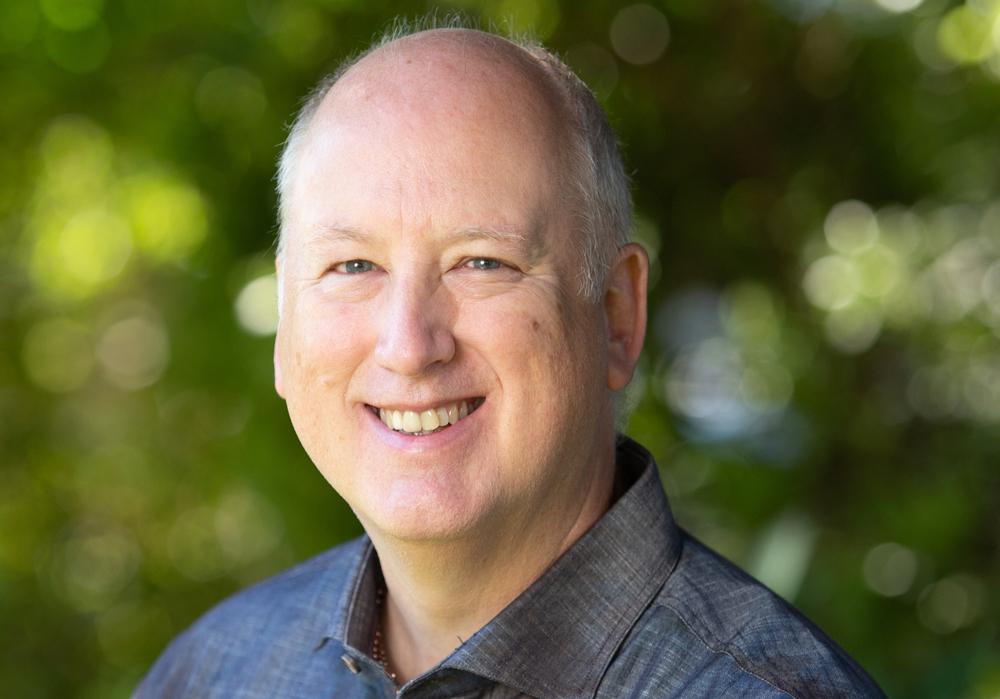
About Gogs Gagnon:
A prostate cancer survivor and native of New Westminster, Gogs Gagnon followed an early passion for computers by becoming a programmer and independent technology consultant. In the course of his career, he has developed software for Apple, IBM, and the government of British Columbia, where he was the lead programmer analyst and data architect. Now, in addition to promoting prostate cancer awareness, Gogs devotes much of his time to writing. His next book is a coming-of-age memoir set in the Lower Mainland of British Columbia during the 1970s. The father of three children, Gogs lives with his wife and their two dogs in the Comox Valley on Vancouver Island, BC.